© naturepl.com / Inaki Relanzon / WWF
Madagascar
The island nation of Madagascar has developed distinct ecosystems and extraordinary wildlife since it split from the African continent an estimated 160 million years ago. Approximately 95 percent of Madagascar’s reptiles, 89 percent of its plant life, and 92 percent of its mammals exist nowhere else on Earth.
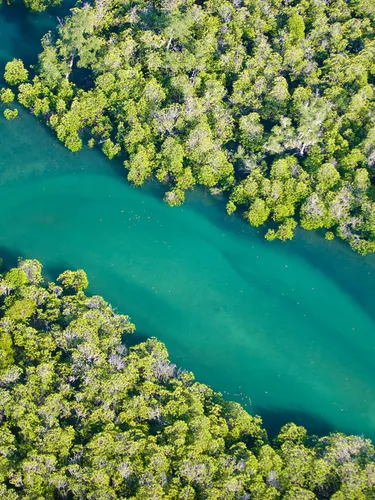
Located off the east coast of Africa in the Southwest Indian Ocean, Madagascar is the world’s fourth largest island; at 146 million acres, it’s almost the size of Texas. Madagascar’s climate is tropical along the coast, temperate inland, and arid in the south. The island harbors lush rain forests, tropical dry forests, plateaus, and deserts. Its more than 3,000 miles of coastline and over 250 islands are home to some of the world’s largest coral reef systems, tidal marshes, seagrass beds, and most extensive mangrove areas in the Western Indian Ocean.
Wildlife of Madagascar

© Howard Buffett / WWF-US
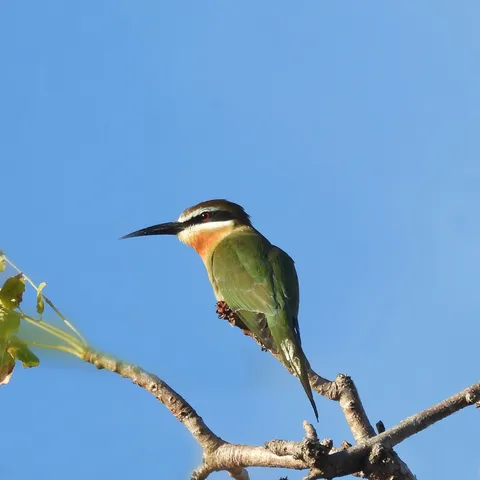
More than 11,000 endemic plant species, including seven species of baobab tree and all lemur species, share Madagascar with a vast variety of mammals, reptiles, fish, amphibians, and birds. Along the Northern Mozambique Channel, in the northwest, is Nosy Hara National Park, a world hotspot of marine diversity where an incredible 265 species of corals can be found. The country’s interior has several critically threatened species including the smallest chameleon in the world, Brookesia micra, and Verreaux’s sifaka, a lemur found in the southwest forests.
People and communities of Madagascar

© Nick Riley / WWF-Madagascar
Madagascar has a population of more than 21 million people with a wide array of faiths and customs, more than 20 ethnic groups coexist on the island. A majority of the population—70 percent of which is estimated to live below the international poverty line—depends completely on natural resources via subsistence farming and fishing. The ocean surrounding Madagascar has long been an important resource for coastal populations. 1.5 million people depend on fishing for their livelihoods and marine ecotourism is a growing sector of the national economy. Well over half of fishers are women and women are the primary cleaners, processors, and sellers of marine products.
Madagascar under threat
Madagascar’s stunning species and unique habitats are threatened by demands from today’s global markets and from the growing needs of the local population.

© WWF Madagascar / WWF-Canon
Climate change
Climate change is causing increased and more severe drought in the south and more intense cyclones and flooding in the middle and north regions of Madagascar. This extreme weather forces millions of people to migrate across the country and puts added pressure on resources, including forests and fisheries. Warming oceans due to climate change is also leading to mass mortality in coral reefs.
Deforestation
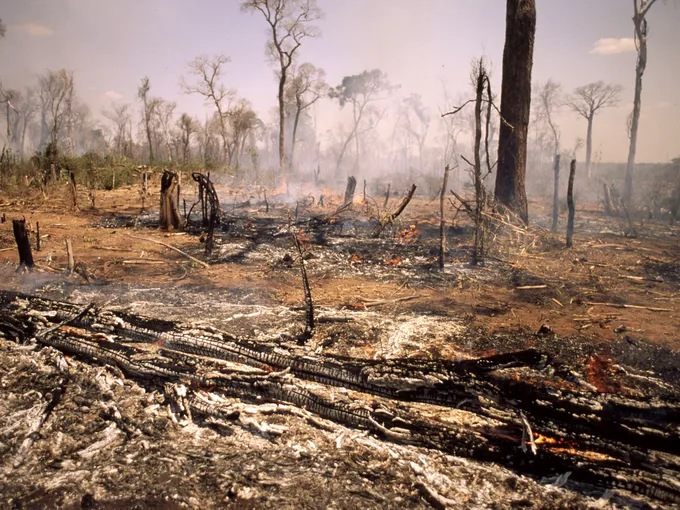
The small-scale but widespread clearance of inland forest and coastal mangroves, primarily for firewood and charcoal production, is jeopardizing the island’s habitats and species such as lemurs and chameleons. Deforestation increases sediment flow out to the ocean and can smother coral reefs and reduce the productivity of fisheries.
Climate change has also increased the severity of droughts. Droughts are causing a surge in migration towards the country’s coastal areas and people are transitioning from agriculture to fishing, putting additional pressure on coastal environments and increasing demand for mangrove charcoal and timber. Over 12,000 acres of mangroves have been lost since 1996.
Governance and security
Only 3.1% of marine areas are formally protected in Madagascar and limited staff capacity and resources to manage and create marine protected areas hinder effective legislation. Management issues can impact distribution of industrial fisheries licenses and fish trader permits while inadequate monitoring, control, surveillance, and enforcement can exacerbate overfishing and illegal fishing.
The complicated history of Madagascar and its legal system contributes to significant policy variations across the country, complicating integration across economic sectors and with the broader Southwest Africa region to address cross-cutting policy and governance issues.
Unsustainable Fishing
It is estimated that some 130,000 tons of fish are illegally fished from Madagascar’s marine territories every year, amounting to a loss of $142.8 million in potential income. Bottom trawling and seine netting degrade and damage coral reefs, threatening the long-term resource availability and food security for coastal communities. As reefs degrade, fishers are forced to find different, less exploited reefs and may repeat the same damaging practices. Under weak governance and rising insecurity, unsustainable fishing practices thrive and threaten coastal livelihoods and food security. Illegal, unreported, and unregulated fishing is a pervasive problem and contributes to overfishing.
© John E. Newby / WWF
© WWF-Madagascar
Pledge for Our Planet
The diversity of life on our planet faces major challenges from threats like climate change, deforestation, overfishing, and illegal wildlife trade.
Together, we can take action to create lasting solutions and protect the future of nature.
© JENNY YOUNG
WWF is taking action to protect Madagascar
WWF aims to protect, restore and maintain Madagascar’s unique biodiversity in harmony with the culture and livelihoods of the local people. We work closely with governments, scientists, industry and local communities on several areas that present the best opportunities to secure the future for the island’s people and species.

© naturepl.com / Jouan & Rius / WWF-Canon
Sustaining livelihoods of coastal communities
Since 2019, WWF has supported the establishment of 19 fishing cooperatives and helps both to train and enhance members' technical and management skills through peer learning and to access new markets. Well managed fishing co-ops reduce loss of fisheries product, thereby reducing strain on marine ecosystems.
WWF has also helped to develop ventures that offer alternative incomes and protect fishers from the threats of increased cyclones and other dangers of fishing in the ocean. These ventures include freshwater tilapia fish farming and the creation of a cooperative, primarily made up of women, to commercialize raffia, a palm plant, sold nationally and internationally as fiber or hand-woven baskets.
Sustainable blue finance
WWF partners with governments, private industries, communities and other non-governmental organizations to provide long-term, sustainable financing for conservation. At a community level, WWF works with Village Savings and Loan Associations to help communities better manage finances and build savings that can be used to provide financial assistance to members and fund local conservation efforts. At the regional-level, this work includes the Enduring Earth approach and piloting the Marine Biodiversity and Community Resilience Facility, a hybrid finance incubator designed to close the funding gap for community-based marine conservation and sustainable livelihoods. The Fund’s pilot focused on a Community Based Organization that supports progress under Madagascar’s climate smart national mangrove plan.
Marine and coastal protection
WWF works with community-based organizations, fishers, and government authorities to manage marine and coastal resources using science and traditional knowledge. Locally managed marine areas (LMMAs) are the chief form of area-based ocean conservation in Madagascar. Over 280 LMMAs are set up around the country and members participate in community-led conservation management activities through community patrols and data-collection. WWF works with dozens of villages to support the establishment of LMMAs, is currently supporting the legalization of LMMAs as associations at the local authority level, and supports legalizing the right for communities to manage mangrove forests.
Adapting to climate change
WWF works with communities and governments to develop and implement responsive strategies to safeguard coastal areas from the expected impacts of climate change. Along the western coast, WWF works on mangrove forest protection and restoration that provides benefits, like flood protection, to communities and secures hundreds of tons of carbon to mitigate climate impacts. To sustain Madagascar’s remaining mangrove forest, WWF supports national policies that strengthen management and integrates climate-smart restoration. Locally, WWF works to scale-up community-led conservation and management of mangroves by strengthening the capacity of training institutions and facilitating learning exchanges across the country and greater Western Indian Ocean region.
Nature-Based Solutions Origination Platform
The Nature-Based Solutions Origination Platform (NbS-OP) is WWF’s innovative vehicle to deliver nature-based solutions at scale—benefiting people, climate, and nature across some of the world’s most vital forest landscapes, including Madagascar’s Northern Landscape. Agricultural expansion, illegal logging, climate change, illegal fishing, and deforestation currently threaten this critical region, which contains one of the island country’s largest forest blocks. Through the NbS-OP, WWF is focused on an integrated approach to forest protection that combines biodiversity conservation and community development to achieve a sustainable development model in the area.

© ANDY ROUSE/NATUREPL.COM
Protecting lemurs
One of the last strongholds for ring-tailed lemurs and Verreaux’s sifakas is the Amoron’l Onilahy Protected Area. To protect this key refuge system and wildlife corridor, WWF works with local community patrollers, supports student education programs, and helps develop sustainable livelihood initiatives. As a result, lemur populations have grown, deforestation is down, and communities are less reliant on natural resources.
Experts
-
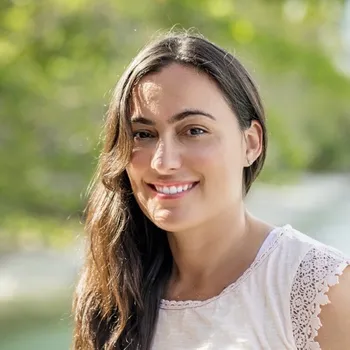
Dr. Gabby Ahmadia
Vice President, Seascapes and Science, Oceans
-
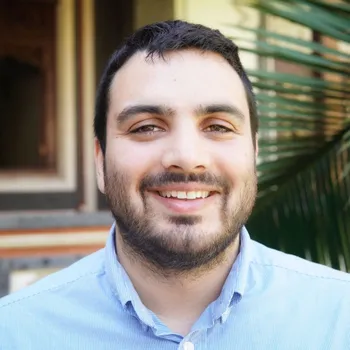
Dominic Andradi-Brown
Director, Blue Forests
-
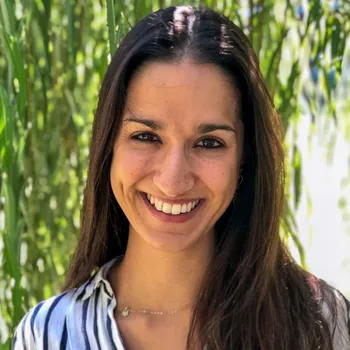
Shauna Mahajan
Director, Western Indian Ocean Seascape, Oceans
-
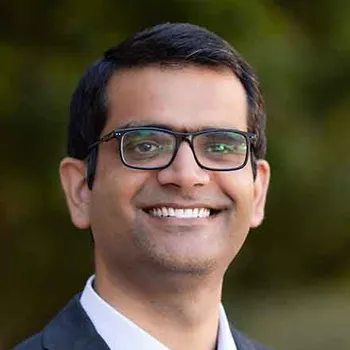
Shashank Singh
Manager, Blue Finance
-
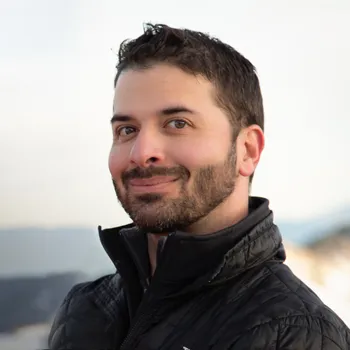
Abel Valdivia
Lead Marine Conservation Scientist, Oceans
-
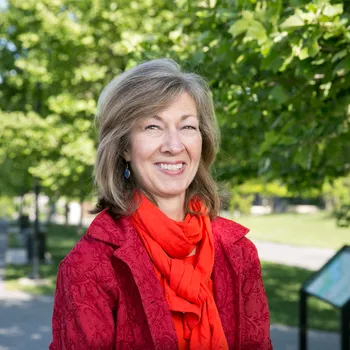
Anita van Breda
Senior Director, Environment and Disaster Management
-
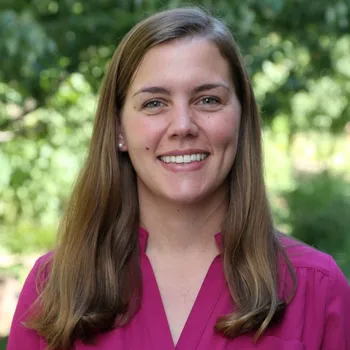
Brittany Williams
Senior Program Officer, Forests


